













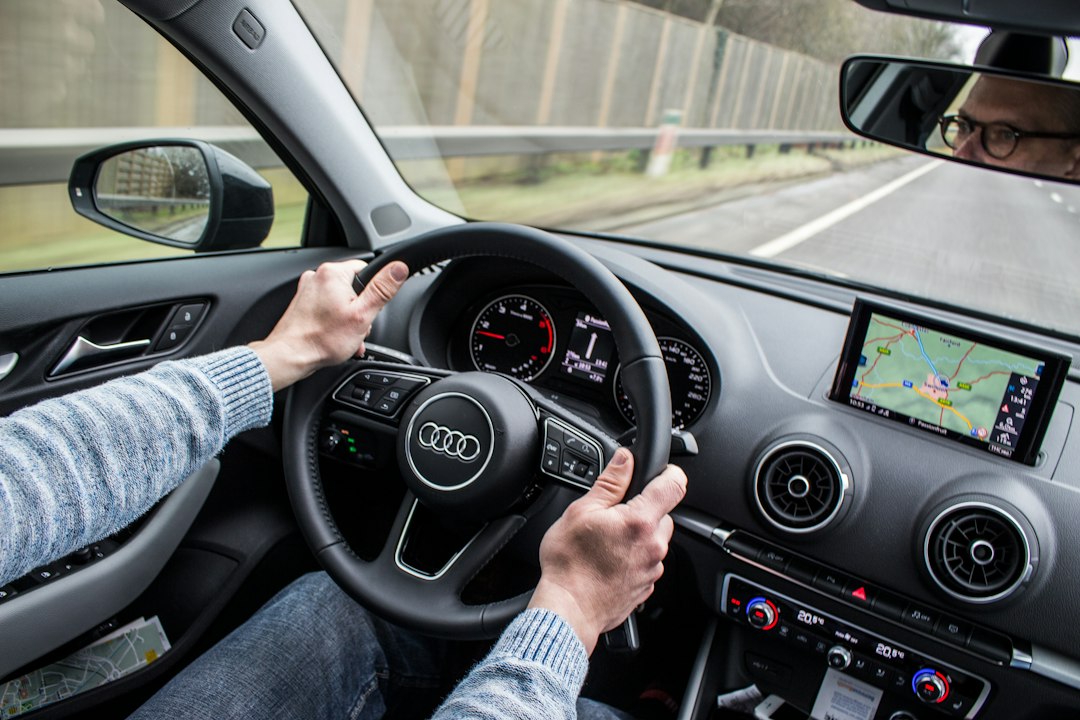
Advanced Driver Assistance Systems: Improve Safety and Driving Confidence .
Advanced driver assistance systems, or ADAS, are no longer reserved for flagship vehicles. By 2026, they appear in everything from budget commuter cars to family SUVs. These technologies sense your surroundings, respond faster than any human can, and quietly work to keep you safe on every trip. Whether you are new to the concept or already familiar with lane-keeping alerts, this guide walks you through seven lessons that can genuinely transform how you think about modern driving.
Table of Contents
- What Advanced Driver Assistance Systems Actually Do
- ADAS Safety Features That Matter Most in 2026
- How Autonomous Driving Technology Connects to ADAS
- Collision Avoidance Systems Explained
- Advanced Driver Assistance Systems: Common Misconceptions
- Advanced Driver Assistance Systems and the Road Ahead
- Advanced Driver Assistance Systems: What to Check Before You Buy
- Frequently Asked Questions
- Final Thoughts
What Advanced Driver Assistance Systems Actually Do
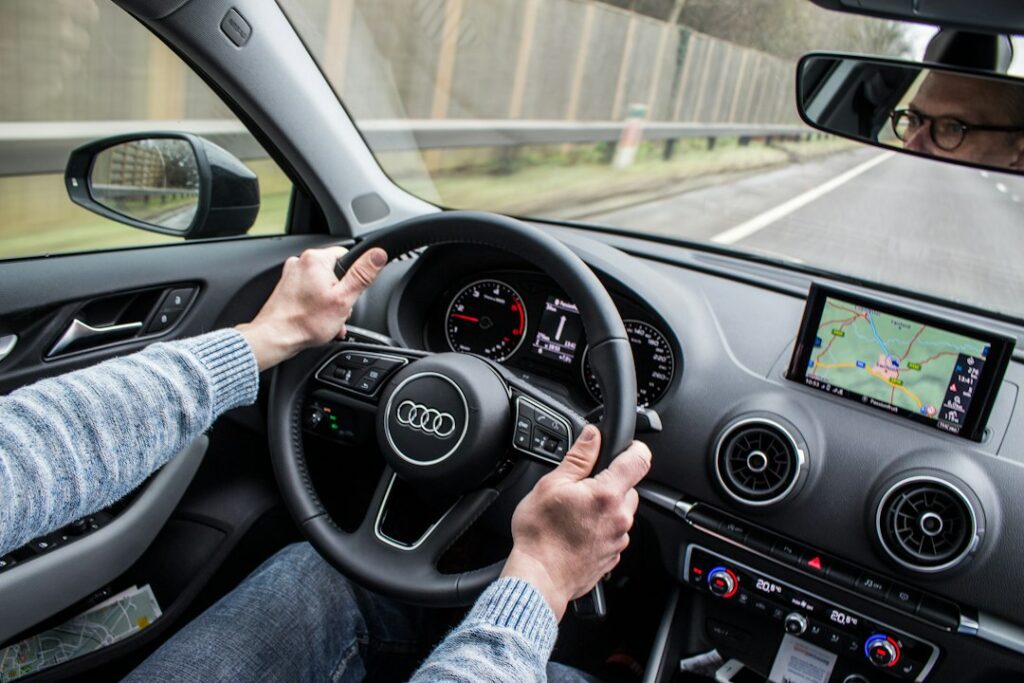
At their core, advanced driver assistance systems are a collection of electronic technologies that monitor the driving environment and either warn the driver or take corrective action automatically. They use a combination of cameras, radar, ultrasonic sensors, and lidar to build a real-time picture of what is happening around the vehicle.
The system does not replace the driver. Instead, it acts more like a highly attentive co-pilot that never gets tired, never gets distracted by a phone notification, and never misjudges the speed of an approaching vehicle. That is a genuinely powerful concept when you consider how many accidents are caused by brief lapses in human attention.
Modern ADAS platforms also rely on over-the-air software updates. This means the system in your car today can become smarter tomorrow without a dealership visit. Manufacturers push improvements to object recognition, sensor calibration, and response timing on a rolling basis throughout the vehicle’s life.
Lesson 1: ADAS Is a Suite, Not a Single Feature
Many drivers think of ADAS as one thing, perhaps a camera that beeps when you get too close to something. In reality, it is a layered suite of features that work together. Lane departure warning, blind-spot monitoring, adaptive cruise control, automatic emergency braking, and traffic sign recognition are all individual ADAS components that communicate with each other. Understanding this layered structure helps you use the technology more confidently.
ADAS Safety Features That Matter Most in 2026
Not all ADAS safety features carry equal weight when it comes to reducing real-world accidents. Research from road safety bodies consistently shows that certain features have an outsized impact on preventing injuries. Here is a focused look at the ones worth prioritizing.
- Automatic Emergency Braking (AEB): Applies the brakes without driver input when a collision is imminent. Studies suggest AEB can reduce rear-end crashes by up to 50 percent in highway conditions.
- Lane Keeping Assist (LKA): Gently steers the car back into its lane if the driver drifts without signaling. Particularly valuable on long motorway journeys.
- Blind-Spot Monitoring: Uses radar to detect vehicles in areas the mirrors cannot cover and alerts the driver before a lane change becomes dangerous.
- Rear Cross-Traffic Alert: Warns drivers of approaching traffic when reversing out of parking spaces, an area where visibility is naturally limited.
- Driver Drowsiness Detection: Monitors steering patterns and eye movement to identify signs of fatigue and prompt a rest stop.
Keeping up with ADAS safety features is especially relevant if you already follow a consistent car maintenance schedule, because sensor calibration is now part of routine servicing. A misaligned camera after a minor fender bender can render an entire ADAS suite unreliable until it is recalibrated.
Lesson 2: Sensor Calibration Is Non-Negotiable
Even a small knock to the front bumper can throw a radar sensor out of alignment by just enough to generate false alerts or, worse, slow the system’s reaction time. Always insist on a full ADAS calibration check after any bodywork repair, windscreen replacement, or suspension adjustment. Many drivers skip this step and then wonder why their emergency braking feels inconsistent.
How Autonomous Driving Technology Connects to ADAS
Autonomous driving technology and ADAS are closely related but sit at different levels of the same ladder. ADAS occupies what the Society of Automotive Engineers calls Level 1 and Level 2 automation, where the driver remains responsible at all times. True autonomy begins at Level 3 and above, where the car can make decisions independently under defined conditions.
What makes this connection meaningful for everyday drivers is that the ADAS features you use right now are building the foundation for full autonomy. The cameras, radar arrays, and machine learning models in a 2026 family sedan are the same fundamental building blocks that autonomous vehicles need. Each upgrade to ADAS software brings the broader industry one step closer to reliable self-driving capability.
That said, Level 3 and Level 4 autonomous systems are still subject to strict regulatory oversight in most countries. Governments are carefully defining where and how these systems can operate, which means widespread full autonomy on public roads is still a few years out in most regions.
Lesson 3: Understand the Automation Level in Your Car
Many drivers overestimate what their vehicle can do autonomously. If your car has adaptive cruise control and lane centering, you are at Level 2. That means your hands must stay on the wheel and your eyes must stay on the road. Treating a Level 2 system as if it were Level 4 is one of the leading causes of ADAS-related accidents. Know your car’s exact automation level before you rely on it.
Collision Avoidance Systems Explained
Collision avoidance systems are the most visible subset of advanced driver assistance systems, and for good reason. They address the single most costly category of road accidents: forward impacts. These systems use radar and cameras to track the distance and relative speed of vehicles and obstacles ahead, then calculate whether a collision is likely within the next few seconds.
When the math says impact is unavoidable without intervention, the system either alerts the driver, pre-charges the brakes for faster human response, or applies full autonomous braking. Some advanced versions also steer around stationary obstacles if braking alone would not prevent impact.
Pedestrian and cyclist detection has improved dramatically by 2026. Earlier systems struggled with two-wheelers and people crossing at night. Current collision avoidance systems use thermal imaging and improved AI models to identify vulnerable road users even in low-light conditions, which represents a meaningful leap forward in urban road safety.
- Forward collision warning activates at high speed with a visual and audible alert.
- Pre-collision braking reduces impact force even when a full stop is not possible.
- Junction assist helps at intersections where turning vehicles often miss oncoming traffic.
- Cyclist detection algorithms now account for unpredictable lateral movement.
Lesson 4: Collision Avoidance Is Not a Substitute for Attention
Even the best collision avoidance system has a reaction envelope. It cannot compensate for extremely high speed differentials, adverse weather that blinds sensors, or sudden obstacles appearing from zero distance. These systems are a safety net, not a replacement for active attention. Treating them as a last resort rather than a primary defense is the right mental model for any driver.
Advanced Driver Assistance Systems: Common Misconceptions
One of the biggest barriers to getting full value from advanced driver assistance systems is misinformation. Drivers who do not trust these systems often disable features that could genuinely save their lives, while drivers who trust them too much take risks they would not otherwise take.
Here are some of the most widespread misconceptions worth clearing up.
- Misconception: ADAS makes you a worse driver. Research actually shows most drivers become more aware of their habits when ADAS highlights things like lane drift or following distance issues.
- Misconception: These systems work perfectly in all weather. Heavy rain, snow, and fog can significantly reduce sensor effectiveness. Always account for conditions the technology cannot fully compensate for.
- Misconception: You can fully switch off and let the car drive. No production vehicle sold in 2026 legally permits the driver to be fully hands-off and unattentive for extended periods on public roads.
- Misconception: ADAS is only relevant to new cars. Aftermarket ADAS kits now exist for vehicles as old as ten years, though they are less integrated than factory-fitted systems.
- Misconception: All ADAS systems perform equally. Independent testing by safety organizations consistently shows wide variation in performance between brands and even between trim levels of the same model.
Lesson 5: Read Your Vehicle’s ADAS Manual Thoroughly
It sounds obvious, but a large proportion of drivers never read the section of their owner’s manual that covers driver assistance features. Each manufacturer implements these systems differently. Knowing the exact conditions under which your AEB activates, what your lane assist will and will not correct, and how to properly set your adaptive cruise following distance takes less than an hour to learn and can make a real difference in an emergency situation.
Advanced Driver Assistance Systems and the Road Ahead
Looking at the trajectory of advanced driver assistance systems through 2026 and beyond, a few trends stand out clearly. Vehicle-to-infrastructure communication is maturing rapidly. This means your car will soon receive live data from traffic signals, road sensors, and even other vehicles to anticipate hazards before any onboard camera could detect them.
AI processing power within the vehicle is also increasing sharply. Edge computing chips designed specifically for automotive use can now process sensor data locally without relying on cloud connectivity. This matters because it means ADAS can function reliably in tunnels, rural areas, and regions with poor mobile coverage.
Electric vehicle trends are closely tied to ADAS development as well. Electric platforms provide cleaner power delivery for drive-by-wire systems, which is what ADAS needs to intervene smoothly in steering and braking. The overlap between electrification and driver assistance technology is not coincidental; they are designed to evolve together. If you follow electric vehicle trends closely, you will notice that virtually every new EV platform announced in 2026 ships with a full ADAS suite as standard.
Lesson 6: Over-the-Air Updates Change the ADAS Equation
Unlike traditional car features that remain static from the day of manufacture, ADAS systems evolve throughout a vehicle’s life via software updates. A car you bought in early 2026 may have meaningfully improved pedestrian detection algorithms by late 2026 simply through a background software push. This makes buying a vehicle with a strong manufacturer software commitment just as important as the hardware specifications at the time of purchase.
Advanced Driver Assistance Systems: What to Check Before You Buy
When shopping for a new or used vehicle in 2026, advanced driver assistance systems deserve the same scrutiny as engine size or fuel economy. The right checklist can help you separate genuinely capable systems from marketing language that overpromises and underdelivers.
- Check independent ADAS performance ratings from organizations like Euro NCAP or ANCAP before trusting manufacturer claims.
- Ask specifically which sensors are included. Camera-only systems perform significantly worse than multi-sensor setups that combine radar and camera data.
- Confirm whether AEB is standard or an optional extra on the trim level you are buying.
- Ask about the manufacturer’s software update commitment. How long will the ADAS platform receive updates?
- Test drive the vehicle specifically to experience how the lane assist and adaptive cruise feel in real conditions.
- If buying used, have the ADAS system independently inspected and calibrated before purchase.
- Research whether the luxury car brands you are considering have invested in proprietary ADAS hardware or rely on third-party platforms, as this affects long-term update quality.
Lesson 7: Safety Ratings Now Reflect ADAS Quality Directly
Major crash test programs worldwide updated their testing protocols between 2024 and 2026 to weight ADAS performance more heavily in overall safety scores. A vehicle with excellent passive crash structure but weak active safety technology now scores lower than one with strong ADAS capabilities. For anyone who relies on star ratings when choosing a family vehicle, this shift is meaningful and worth understanding before you sign on the dotted line.
You can review current ADAS testing standards and vehicle ratings directly through the National Highway Traffic Safety Administration, which provides publicly accessible safety data for vehicles sold in the United States.
Frequently Asked Questions
What is the difference between ADAS and autonomous driving?
Advanced driver assistance systems support the driver by providing warnings and limited automatic interventions, but the human remains in control at all times. Autonomous driving refers to systems that can operate the vehicle independently without driver input under defined conditions. ADAS typically operates at SAE Level 1 or Level 2, while true autonomy begins at Level 3. Most production vehicles available in 2026 include ADAS features but do not qualify as autonomous under any regulatory definition in use today.
Are advanced driver assistance systems reliable in bad weather?
ADAS performance can degrade in heavy rain, snow, thick fog, and extreme dust. Camera-based systems are particularly sensitive to lens obstruction, while radar is more resilient in wet conditions. Modern multi-sensor setups combine radar and cameras to partially compensate for individual sensor weaknesses, but no current system is fully immune to severe weather. Drivers should always reduce reliance on ADAS features when conditions are extreme and treat them as a supplement rather than a replacement for careful driving.
Do advanced driver assistance systems require special maintenance?
Yes. ADAS sensors and cameras need to be properly calibrated after certain types of repairs, including windscreen replacement, front bumper work, wheel alignment changes, and suspension repairs. Failure to recalibrate can cause the system to generate false alerts or respond more slowly than it should in a real emergency. Many drivers are unaware of this requirement. It is becoming increasingly common for ADAS calibration to be listed as a standard item on a comprehensive car maintenance schedule at authorized service centers.
Can I add ADAS features to an older car?
Aftermarket ADAS solutions do exist and have improved substantially through 2025 and 2026. Retrofit kits can add forward collision warning, lane departure alerts, and blind-spot monitoring to older vehicles. However, these solutions are generally less deeply integrated than factory-fitted systems. They typically operate as advisory-only systems, meaning they alert you but cannot take autonomous action on the vehicle’s brakes or steering. If safety is the priority, purchasing a vehicle with factory ADAS remains the more reliable option.
How do I know which ADAS features are in my car?
The clearest starting point is your vehicle’s owner manual, which should list every active driver assistance feature under a dedicated section. You can also check your vehicle’s original build specification using the VIN number on the manufacturer’s website. If you bought the car used and documentation is incomplete, an authorized dealership can run a diagnostic to identify which ADAS modules are installed and whether they are functioning correctly. Independent testing organizations also publish detailed feature breakdowns for specific model years and trim levels.
Final Thoughts
Advanced driver assistance systems have moved from optional extras to essential safety infrastructure in a remarkably short time. The seven lessons covered here, from understanding your automation level to checking sensor calibration and reading independent safety ratings, give you a practical framework for making the most of this technology.
The key takeaway is that ADAS works best when drivers understand what it can and cannot do. Trust it within its design limits, keep it properly maintained, and stay informed as the technology continues to evolve through software updates. A well-informed driver using a well-calibrated ADAS system is a genuinely powerful combination for road safety in 2026 and beyond.